


Ubicada de forma privilegiada en el sur de España, en el extremo más occidental en el que acaba Europa se encuentra el Marco de Jerez. Una zona que hace muchos años estaría cubierta por el mar, dando lugar con el tiempo a terrenos de una gran riqueza ideales para la agricultura.
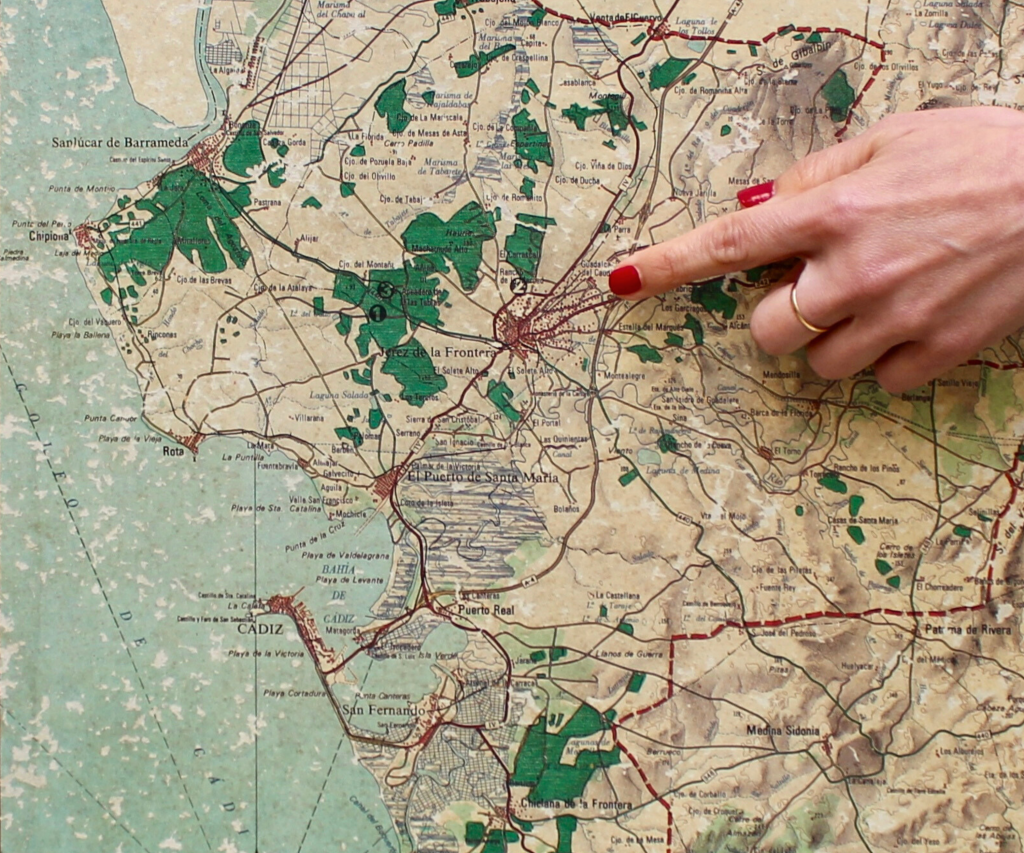
En esta Región de vinos abrazada por el océano Atlántico, la desembocadura del río Guadalquivir y la sierra se incluyen actualmente 9 localidades: Jerez de la Frontera, El Puerto de Santa María, Sanlúcar de Barrameda, Rota, Chiclana, Chipiona, Trebujena y Puerto Real, en la provincia de Cádiz, y Lebrija, en la provincia de Sevilla.
Cada una de las bodegas de estas localidades, con una historia particular, podría considerarse un mundo. Y cada localidad, también con sus viñedos, una galaxia, que juntas componen un universo fascinante: el universo de los Vinos de Jerez.
Conoce la apasionante historia de la Región a través de los Vinos de Jerez
Hablar de la historia de los vinos de Jerez es hablar de una historia milenaria, marcada por la presencia de los fenicios que hace más de 3000 años ya cultivaban la vid en la zona. También de los romanos, que impulsaron el comercio de nuestros vinos.
Una historia con una fuerte impronta de los musulmanes que mantuvieron el cultivo de la vid en la comarca y trajeron a la Península el arte de la destilación, esencial para la fortificación del jerez.
Influenciada por las gentes que repoblaron estas tierras tras la reconquista cristiana, incluyendo nobleza y clero.
Marcada por la evolución del sector vitivinícola que se transformó en industria a partir del siglo XVIII.
También influenciada por la llegada de extranjeros y gentes de otras zonas de España que viajaron al Marco atraídos por los negocios con los vinos y se establecieron prendados del estilo de vida de la Región.
Una historia que sigue hasta nuestros días, donde los Vinos de Jerez tienen un papel fundamental en nuestras celebraciones, nuestra gastronomía, nuestra economía, incluso en nuestro lenguaje. En definitiva: en nuestra identidad.
Cómo ves, el vino de Jerez no se hizo de un día para otro, sino que supone el resultado del paso de siglos, acontecimientos y civilizaciones. Por eso considero que
“Conocer el Marco de Jerez es la mejor forma de entender sus vinos,
descubrir los Vinos de Jerez es la mejor forma de disfrutar del Marco.”
3 razones por las que decidirte a visitar el Marco de Jerez
#1 Porque eres amante del vino y la gastronomía
Si eres un apasionado de los vinos, visitar el Marco de Jerez es un ‘must’:
Viaja en el tiempo adentrándote en la arquitectura monumental de sus bodegas. Descubre sus fascinantes procesos de elaboración, como el tradicional y genuino sistema de envejecimiento de soleras y criaderas. Conoce las diferentes tipologías, tan variada que hace que siempre haya un vino de Jerez para cada persona. Explora las infinitas posibilidades de disfrutar de nuestra gastronomía llevándola a otro nivel con maridajes sorprendentes. Los vinos del Marco de Jerez romperán todos los esquemas sobre lo que hayas podido conocer y probar hasta ahora.
#2 Porque quieres conocer el auténtico estilo de vida andaluz
Si estás haciendo un circuito por las principales ciudades de Andalucía o la Península seguramente parte de tu ruta serán destinos como Sevilla, Granada o Córdoba. Ciudades que sin duda merece la pena visitar, pero que en ocasiones pueden llegar a estar muy masificadas por el turismo.
Visitar el Marco de Jerez es ideal para completar tu programa, bajar revoluciones tras visitar ciudades grandes y disfrutar del ambiente más local, sin prisas, y con la representación más auténtica de las vibras andaluzas: sol, gastronomía, flamenco, caballo y el legado andalusí en todas sus versiones (desde la arquitectura hasta el carácter de nuestra gente)
Vente una mañana, tres días o (por qué no) una semana.
#3 Porque te encanta la historia
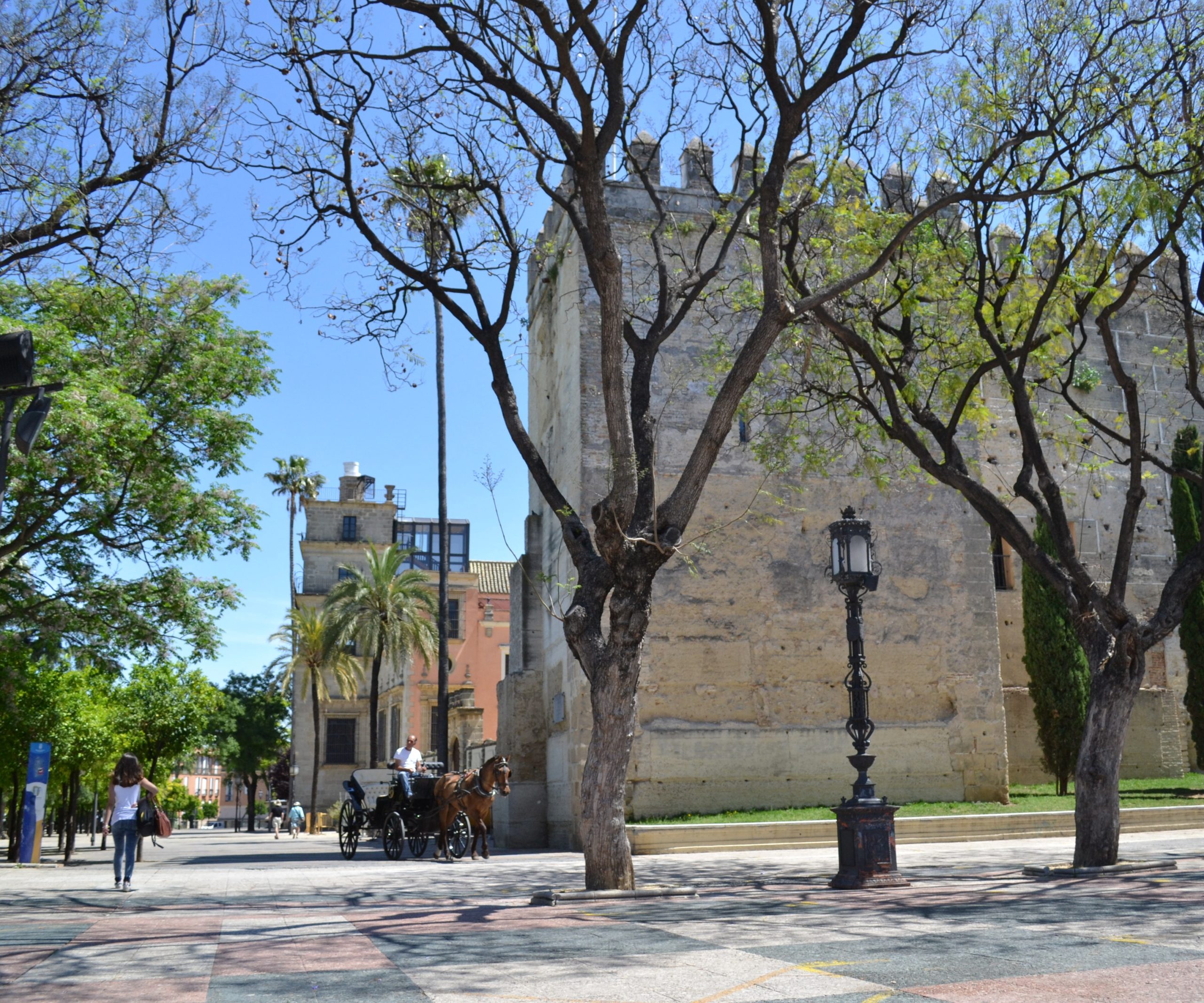
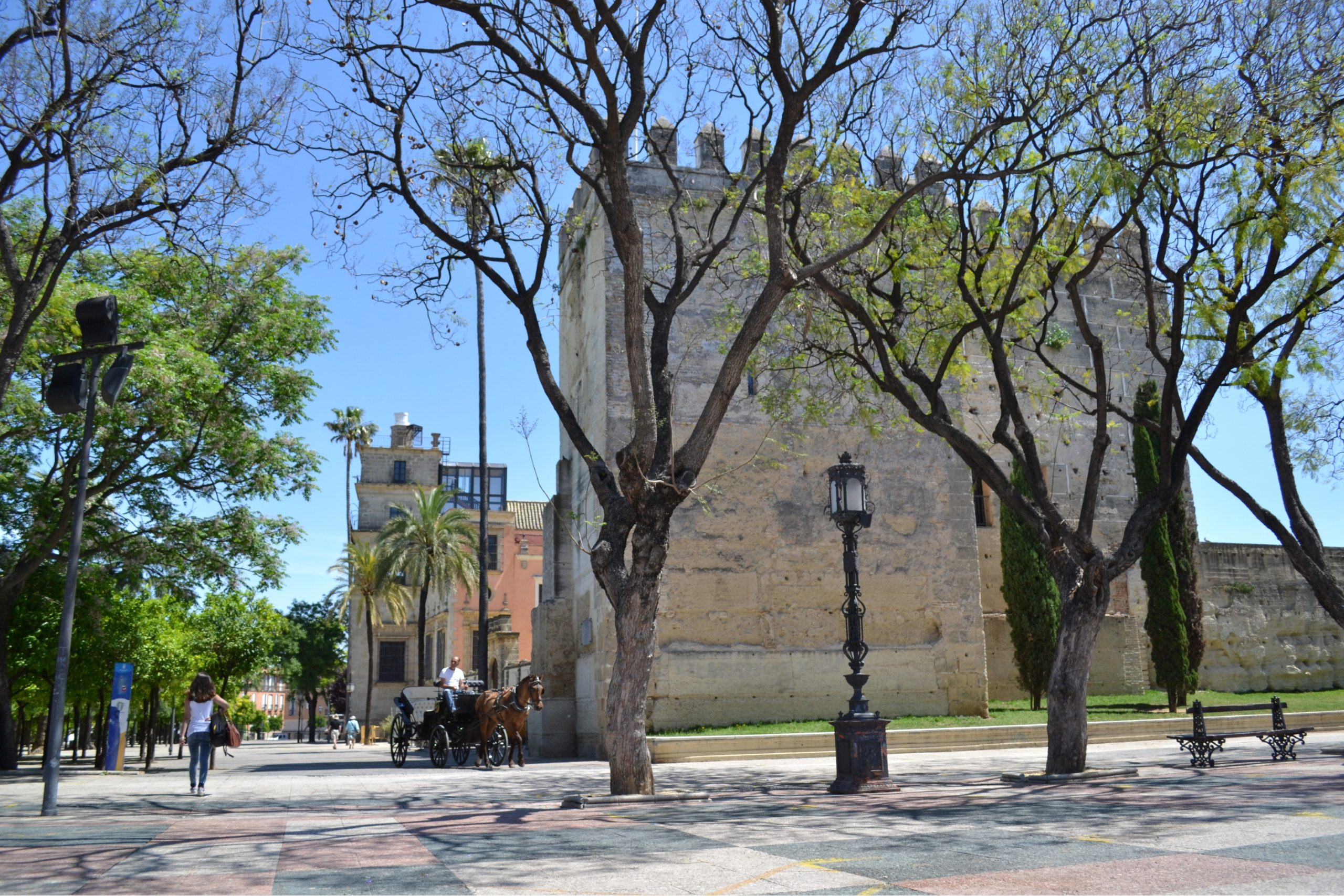
Los vinos del Marco suponen un hilo conductor ideal para conocer la historia de la Región. Pero las catas de vinos o visitas a bodegas se pueden (¡deben!) complementar con visitas histórico monumentales a ciudades del Marco e incluso Cádiz, la ciudad más antigua de occidente y un punto clave para entender la influencia del mar en la elaboración y el comercio de nuestros vinos.
Y el #BONUS: porque eres un amante del whisky
¿Sabías que los mejores whiskies envejecen en barricas que anteriormente han sido empleadas en la crianza de Vinos de Jerez? Si viajas al Marco de Jerez tendrás la oportunidad de conocer cómo se elaborar estas valiosas vasijas y entender cómo los distintos estilos de Jerez pueden influir en tus espirituosos preferidos.
Si te has identificado con al menos uno de estos motivos, créeme: deberías empezar a pensar en visitar la Región.
Cómo llegar a Jerez y desplazarte por la zona
Hablaremos de Jerez (capital del Marco de Jerez) y de Cádiz (capital de la provincia) como los puntos de más fácil acceso para explorar la Región por tierra, mar o aire.
- Llegar en avión: Jerez cuenta con aeropuerto, el aeropuerto de La Parra (XRY). Se trata de un antiguo aeropuerto militar muy pequeño con no demasiadas combinaciones pero con vuelos muy interesantes desde ciudades como Londres, Madrid o Barcelona.
- Moverse en tren: La combinación de trenes es muy buena, ya que dispones de:
- Alvia: Madrid – Córdoba – Sevilla – Jerez – Cádiz
- AVE: Madrid – Sevilla, para luego coger un tren de media distancia que pare en Jerez y siga hasta Cádiz.
- Desplazarse en coche: Una vez estés en la zona puedes contactar con agencias para el alquiler de vehículos o también moverte con taxis para recorridos tipo Cádiz – Jerez por menos de 50 €
- Viajar en catamarán: una forma de conocer la Bahia de Cádiz es cruzarla con el catamarán, un recorrido de unos 20-30 minutos a la capital de provincia desde Rota (solo se puede llegar en coche) o El Puerto de Santa María (puedes llegar en tren desde Jerez)
Empieza a preparar tu escapada al Marco de Jerez
- ¿Te gustaría visitar el Marco de Jerez, pero no sabes por dónde empezar?
- ¿Quieres saber cómo puedo acompañarte para que conectes con la esencia de la Región?
- ¿Necesitas recomendaciones sobre agencias de viaje para crear un programa completo que incluya alojamiento, transporte y otros destinos?
Contáctame a través de este enlace, cuéntame qué tienes en mente y te propongo cómo ayudarte sin compromiso.

Located in a privileged spot in the south of Spain, at the western most tip of Europe, lies the Sherry Region. An area that, many years ago, was covered by the sea, giving way over time to rich lands ideal for agriculture.
In this wine region embraced by the Atlantic Ocean, the mouth of the Guadalquivir River, and the mountains, there are currently 9 towns: Jerez de la Frontera, El Puerto de Santa María, Sanlúcar de Barrameda, Rota, Chiclana, Chipiona, Trebujena, and Puerto Real in the province of Cádiz, and Lebrija in the province of Seville.
Each of the wineries in these towns, with its own unique history, could be considered a world in itself. And each town, also with its vineyards, a galaxy, that together form a fascinating universe: the universe of Sherry Wines.
Discover the Rich History Behind Sherry Wine
To talk about the history of Sherry wines is to speak of a millennia-long history, marked by the presence of the Phoenicians, who more than 3,000 years ago were already cultivating vines in the area, and later by the Romans, who promoted the trade of our wines.
A history strongly influenced by the Muslims, who continued vine cultivation and brought to the Peninsula the art of distillation, essential for the fortification of Sherry.
Impacted by the people who repopulated these lands after the Christian reconquest, including nobility and clergy.
Shaped by the evolution of the wine sector, which transformed into an industry from the 18th century onwards.
Also influenced by the arrival of foreigners and people from other parts of Spain who were drawn to the Sherry region by the wine business and settled here, captivated by the lifestyle in the region.
This history continues to the present day, where Sherry Wines play a fundamental role in our celebrations, our gastronomy, our economy, and even in our language. In short: in our identity.
As you can see, Sherry wine was not made overnight but is the result of centuries of events and civilizations. And that is why I like to say that
‘Knowing the Sherry Region is the best way to understand its wines,
learning about Sherry Wines is the best way to enjoy the Sherry Region’.
Top Reasons to Visit Spain’s Sherry Region
#1 Because you love wine and food.
If you’re a wine lover, visiting the Sherry Region is a must:
Travel back in time as you enter the monumental architecture of its wineries. Discover the fascinating production processes, such as the traditional and unique Solera and Criadera aging system. Get to know the different types of Sherry, from very dry to very sweet, lighter and fresher, or more complex and full-bodied, so there is always a Sherry for everyone. Explore the endless possibilities of enjoying our gastronomy, elevating it to another level with our wines. Sherry wines will break all your preconceived notions of what you have known and tasted until now.

#2 Because you want to experience the most authentic Andalusian lifestyle.
If you are touring the main cities of Andalusia or Spain, your route will likely include destinations like Seville, Granada, or Córdoba. Cities that are certainly worth visiting but can sometimes become overcrowded with tourists.
Visiting the Sherry Region is ideal for completing your program, slowing down after visiting big cities, and enjoying a more local atmosphere, without rush, and with the most authentic representation of Andalusian vibes: sun, food, flamenco, horses, and the Andalusian legacy in all its forms (from architecture to the character of our people). Come for a morning, three days, or (why not?) a week.
#3 Because you want to discover the ancient roots of Western civilization.
The Sherry wines are the perfect guide to discovering the region’s history. But wine tastings or bodega visits can (and should!) be complemented with historical and monumental visits to towns in the Sherry Region and even to Cádiz, the oldest city in the West and a key point for understanding the influence of the sea in the production and trade of our traveling wines.
And last but not least: Because you are a whisky lover!
Did you know that the best whiskies are aged in casks that were previously used to mature sherry wines? By traveling to the Sherry Region, you could discover how these valuable casks are made and how different styles of sherry can influence your favorite spirits.
Trust me: if you identify with even one of these reasons, you should start thinking about coming to Sherry Country.
Practical Tips for Visiting the Sherry Region
How to get to Jerez and move around the area
We’ll talk about Jerez (the capital of the Sherry Region) and Cádiz (the provincial capital) as the most accessible points for exploring the region by land, sea, or air.
- By Plane: Jerez has an airport, La Parra Airport (XRY). It’s a small, former military airport with limited connections but interesting flights from London or Madrid.
- By Train: The train connections are excellent, with:
- Alvia: Madrid – Córdoba – Seville – Jerez – Cádiz.
- AVE: Madrid – Seville, then take a regional train that stops in Jerez and continues to Cádiz.
- By Car: Once you’re in the area, you can contact rental car agencies or use taxis for trips like Cádiz to Jerez for less than €50.
- By Catamaran: One way to explore Cádiz Bay is by crossing it with a catamaran, a 20-30 minute journey to the provincial capital from Rota (accessible only by car) or El Puerto de Santa María (accessible by train from Jerez).
Start Planning Your Trip to the Sherry Region

- Would you like to visit the Sherry Region but don’t know where to start?
- Do you want to know how I can help you connect with the essence of the region?
- Do you need recommendations for travel agencies to create a complete program including accommodation, transportation, and other destinations?
Contact me through this link, tell me what you have in mind, and let’s talk!